Source Recyclable Metallic Compact Powder Box for Gifts
Find 30 listings for the recyclable metallic compact powder box, including tinplate and iron options. Compare features like UV coating, logo printing, and eco-friendly materials to identify suitable suppliers for gift and craft applications; compare the available evidence and request quotations based on your requirements.
Key considerations
Products List




Comprehensive Sourcing Guide
Recyclable Metallic Compact Powder Box Sourcing Guide
Procurement teams must first distinguish between general metallic packaging and specialized distribution metering boxes when searching for recyclable solutions. The observed market data reveals a mix of products, including tinplate boxes for confectionery and stainless steel distribution units, which serve entirely different industrial functions. Buyers should verify that the specific "recyclable metallic compact powder box" aligns with their intended use, such as storing mint candy or housing electronic components, rather than assuming all listed metallic containers share identical material properties or structural integrity.
A critical initial step involves filtering listings by the specific material composition, as the data indicates variations between tinplate, iron, and stainless steel shells. While some products explicitly feature recycled materials and eco-friendly attributes, others are designed for high-voltage distribution or heavy-duty industrial applications. Sourcing strategies must prioritize suppliers who can confirm the recyclability of the specific metal alloy used, ensuring the final product meets sustainability goals without compromising the necessary durability for the intended compact storage or distribution application.
Product Scope and Observed Listing Signals
Buyers should analyze the observed product attributes to identify the correct scope for their specific packaging needs, noting that listings range from small card tin boxes to large distribution metering units. The data shows specific models like CP-2612A and YX-PS-1, which vary significantly in dimensions and intended usage, from holding playing cards to managing electrical distribution. It is essential to match the physical dimensions, such as the 90x30x120mm size or the 36*2mm pan size, to the actual volume requirements of the powder or product being packaged to avoid procurement errors.
The commercial signals in the listings, including MOQs ranging from 1 to 20,000 pieces and diverse packing methods like layer packing or cardboard with film, indicate a highly segmented market. Procurement teams must evaluate whether the supplier's standard packing, such as the "Layer Packed in Carton" or "Cardboard + Film," aligns with their logistics capabilities and protection needs. Understanding these listing signals helps buyers navigate the wide variance in product types, ensuring they select a supplier whose output matches the specific scale and physical constraints of their project.
Technical Specifications to Verify
Verification of technical specifications is paramount, particularly regarding the shell material and surface treatment processes that define the product's longevity and appearance. The available data highlights the use of thermosetting powder coating and stainless steel shells, which are critical for dustproof and corrosion-resistant applications. Buyers must confirm that the specific surface treatment applied to the metallic box meets the required environmental resistance standards, ensuring the packaging can withstand the intended storage conditions without degradation over time.
Dimensional accuracy and structural integrity are equally vital, as the observed specifications include precise measurements like 95.55816mm and varying weight capacities. Procurement teams should request detailed engineering drawings to verify that the box dimensions, such as the 10X10X15 cm single package size, accommodate the internal components or powder volume without excessive void space. Additionally, confirming the bearing capacity, noted as "Light" in some listings, ensures the selected box can support the weight of its contents during transport and storage without structural failure.
Compliance and Safety Documentation
Ensuring compliance with safety and quality standards is a non-negotiable step in sourcing metallic packaging, especially for products involving electrical or food-related applications. The observed certifications, including VDE, ISO9001, and CCC, suggest that some suppliers adhere to rigorous international quality management and safety protocols. Buyers must verify that the specific certification listed applies to the exact model being purchased, as certifications like ISO14001 indicate environmental management systems that support the recyclability claims of the product.
Safety documentation must also address the operational voltage and protection grades, particularly for metallic boxes intended for electrical distribution or housing sensitive electronics. The data mentions low voltage operations and IP structure protection grades, which are critical for preventing electrical hazards and ensuring dustproof functionality. Procurement teams should request test reports or compliance certificates that explicitly validate these safety features, ensuring the product meets the regulatory requirements of the destination market and protects end-users from potential electrical or physical risks.
Cost Drivers and Commercial Terms
Understanding the cost drivers for recyclable metallic boxes requires a deep analysis of material costs, specifically the price fluctuations of tinplate, iron, and stainless steel. The observed price range of 0.1 to 8199 USD reflects the vast difference between simple tinplate containers and complex, certified distribution units. Buyers must evaluate how the choice of material and the complexity of the surface treatment, such as UV coating or thermosetting powder, directly impact the unit price and overall budget for the procurement project.
Commercial terms, including Minimum Order Quantities (MOQ) and customization availability, significantly influence the total cost of ownership. The data shows MOQs ranging from 1 to 20000 pieces, with some suppliers accepting custom orders while others have strict volume requirements. Procurement teams should negotiate based on the specific customization needs, such as logo printing or unique dimensions, to balance the cost per unit against the flexibility required for the supply chain, ensuring that the final agreement supports both financial efficiency and operational agility.
Supplier Qualification and Quality Control
Supplier qualification should focus on verifying the origin and manufacturing capabilities, as the data indicates production locations in Ningbo, Shanghai, and Guangdong, China. Buyers must assess the supplier's ability to maintain consistent quality across different production batches, particularly when dealing with custom orders that require specific material compositions or surface treatments. Establishing a clear communication channel regarding the production process ensures that the supplier can meet the specific technical and aesthetic requirements of the recyclable metallic box.
Quality control protocols must be rigorously defined to ensure the final product meets the specified standards and certifications. Procurement teams should implement a quality assurance plan that includes pre-production samples and final inspection checks for dimensions, surface finish, and structural integrity. Given the warranty periods observed, such as one year, buyers should clarify the terms of the warranty and the supplier's process for handling defects, ensuring that any quality issues are resolved promptly to minimize disruption to the supply chain.
Long-Term Procurement Checks
Long-term procurement strategies must include regular audits of the supplier's ability to maintain the recyclability and sustainability of the materials used. As market demands for eco-friendly products evolve, buyers should verify that the supplier continues to source recycled materials and adheres to environmental standards like ISO14001. This proactive approach ensures that the supply chain remains compliant with changing regulations and corporate sustainability goals, protecting the brand's reputation and reducing long-term environmental risks.
Continuous performance monitoring is essential to maintain the reliability of the supply chain over time. Buyers should track key performance indicators such as lead times, defect rates, and adherence to delivery schedules to identify any potential issues early. By establishing a feedback loop with the supplier, procurement teams can address any deviations in quality or service promptly, ensuring that the long-term partnership remains robust and capable of meeting the evolving needs of the business.
FAQs
Can I customize the design of the recyclable metallic compact powder box?
Yes, customization is available for these boxes. The product page explicitly states that custom orders are accepted and the material can be tailored. Buyers can request specific dimensions, such as the 90x30x120mm size, and choose from options like UV coating for printing. This flexibility allows brands to create unique packaging that aligns with their specific aesthetic and functional requirements.
What material is used for the recyclable metallic compact powder box?
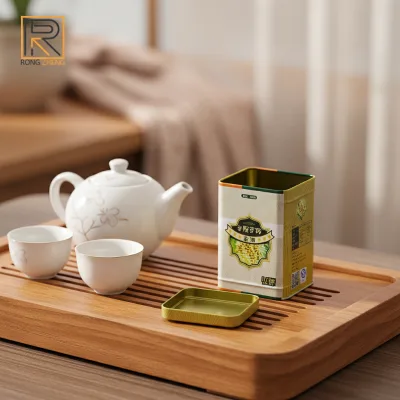
The primary material used is tinplate, which is a type of metal known for its durability and recyclability. Some variations may also utilize iron or plastic components for specific structural needs. The tinplate construction ensures the box is sturdy enough to protect contents like mint candy or playing cards while maintaining a premium metallic finish that appeals to eco-conscious consumers.
What is the minimum order quantity for these metallic boxes?
The minimum order quantity is typically 1000 pieces. This MOQ applies to standard production runs for the tinplate boxes. Buyers should note that custom orders might have different thresholds depending on the complexity of the design and the specific customization requirements. It is advisable to confirm the exact MOQ with the supplier before finalizing the order to ensure production feasibility.
Are these boxes suitable for industrial use as gifts or crafts?
Yes, these boxes are explicitly categorized for industrial use in gifts and crafts. Their sturdy tinplate construction and attractive yellow color make them ideal for packaging premium items. They are designed to hold various products, including mint candy, chocolate, and playing cards, offering a versatile solution for brands looking to enhance their product presentation with high-quality, durable packaging.
What certifications do these packaging boxes hold?
The packaging solutions often come with certifications such as ISO9001 and CCC. These certifications indicate that the manufacturing processes meet international quality and safety standards. While the boxes themselves are made from recyclable materials, the associated certifications ensure that the production environment and quality control measures are rigorous, providing buyers with confidence in the reliability and consistency of the supplied packaging products.